
Why Kochava Built a Plugin-First AI Platform
At Kochava, our first attempts to “add AI” to business workflows always ran into friction: Out-of-the-box solutions almost never map to the intricate DNA of how agencies, brands, or analytic teams operate—especially in an ecosystem as diverse and dynamic as advertising.
Enterprise users need a platform that orchestrates not just new AI models, but also real automation, data fusion, and local business logic. That’s why StationOne was architected from day one with a plugin-first philosophy.
The Engineering Challenge
Organizations don’t want to “bolt on” capability—they want native, deep integration:
- Secure access to local files and databases that are compliant with internal IT policies
- Ability to trigger multistep automations (including calls to internal APIs or data lakes)
- Power to wrap legacy business rules or regulatory checks without rewriting entire workflows or submitting every feature request to an upstream SaaS
StationOne’s plugin system solves this by providing robust extension architecture:
- Connectors use the StationOne-curated OAuth access paths to MCP streamable servers.
- If a user wants to connect to a non-curated MCP connector, they can add a third-party Streamable MCP or local stdio MCP server directly into StationOne.
- Extensibility is possible via a StationOne Plugin architecture and sandboxed access to AI models, OS resources, and the user’s workflow context.
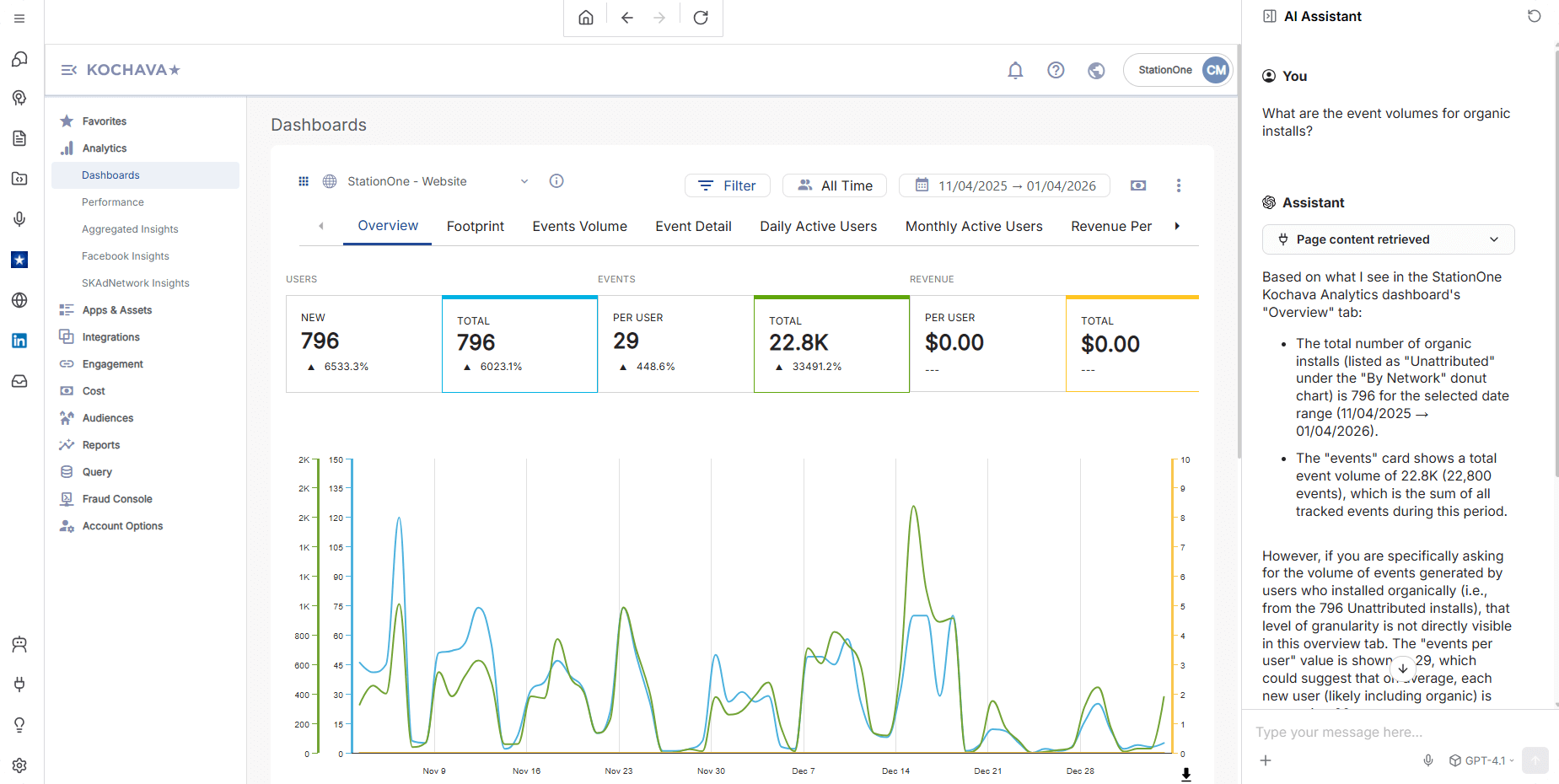
- StationOne WebFacets render native SaaS technology and add-in AI everywhere!
Technical Architecture of Plugins
- Modular service contracts: Each plugin declares its capabilities, required permissions, and service interfaces. Plugins are self-describing and versioned.
- Native & web integration: Plugins interact with the local workstation (files, clipboard, notifications) and web resources (APIs, cloud search, even triggering remote workflows through Agent Forge).
- Composable automation: Plugins act as building blocks; users can chain them together, mix with LLM calls, or connect to custom data sources.
In the advertising ecosystem, for example:
- WebFacets allow operators to engage with SaaS dashboard tools along with AI tools made available via MCP servers—in an orchestrated way.
Plugins, by and for Users
- Developers: Ship company-specific tools as MCP servers and make them available to every user on your team with an AI context through StationOne.
- Power users: Compose workflows from published (or in-house) plugins—no code required to get huge leverage.
To start your agentic journey with StationOne, visit StationOne.ai/request-invite/.
For support, contact Support@StationOne.ai.